
Modern vs. Traditional: San Francisco Design Styles Compared

Updated: Sep 30, 2025
Comparing modern and traditional design styles in SF homes.

San Francisco’s architectural landscape is as diverse as its culture, blending sleek, modern minimalism with timeless, traditional elegance. From glass-walled contemporary condos in SoMa to ornate Victorian homes in Pacific Heights, the city offers a rich mix of design styles that appeal to different tastes. If you’re planning a remodel or redecorating project, understanding the key differences between modern and traditional design can help you choose a direction—or even blend the two for a unique, personalized look.
Modern Design in San Francisco Homes
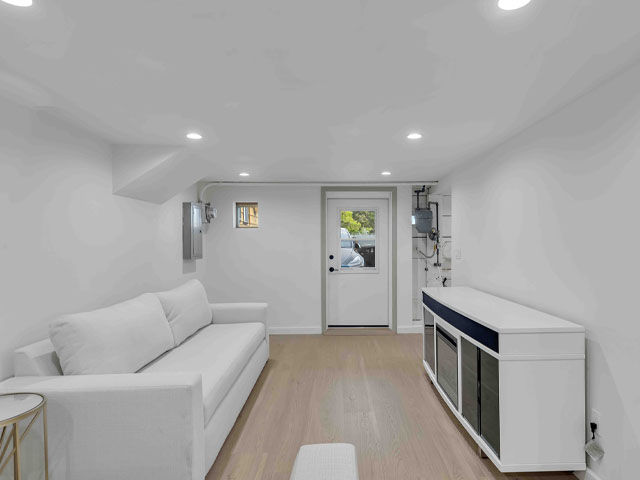
Modern design in San Francisco homes embraces clean lines, open floor plans, and a focus on functionality. Common elements include large windows for natural light, neutral color palettes, and minimal ornamentation. Materials like glass, steel, and polished concrete are popular, creating a sleek and uncluttered look. In smaller urban spaces, modern design often maximizes efficiency, using built-in storage and multipurpose furniture.
Traditional Design in San Francisco Homes
Traditional design in San Francisco draws heavily from the city’s historic architecture, including Victorian, Edwardian, and Craftsman styles. Expect to see intricate moldings, rich wood finishes, and a warmer color palette. Furniture tends to be more ornate, with classic silhouettes and layered textiles. Many homeowners choose to preserve original features like fireplace mantels, wainscoting, and stained glass to honor the history of the home.
Key Differences
While modern design focuses on simplicity and open spaces, traditional design celebrates detail and craftsmanship. Modern homes often feel airy and minimal, while traditional homes exude warmth and character. Lighting in modern spaces tends to be recessed or track-based, while traditional spaces often feature chandeliers or decorative sconces.
Blending Modern and Traditional
Many San Francisco homeowners are combining the best of both worlds—keeping historic architectural details while introducing modern finishes and furniture. For example, you might pair a classic Victorian facade with a sleek, contemporary kitchen, or keep original hardwood floors alongside minimalist furnishings. This approach preserves the charm of the past while offering the comfort and functionality of modern living.
Whether you prefer the streamlined look of modern design, the timeless elegance of traditional style, or a thoughtful mix of the two, San Francisco offers endless inspiration. By understanding the strengths of each style, you can make design decisions that suit your lifestyle, enhance your home’s beauty, and celebrate the unique character of the city’s architecture.
For history and design lovers, it's always interesting to look into modern vs. traditional. San Francisco is a city with a fascinating past, and the design styles compared here are a perfect example of what makes the city unique.


Comments